Understanding the psychology behind decision-making in casino environments
The Role of Environment in Decision-Making
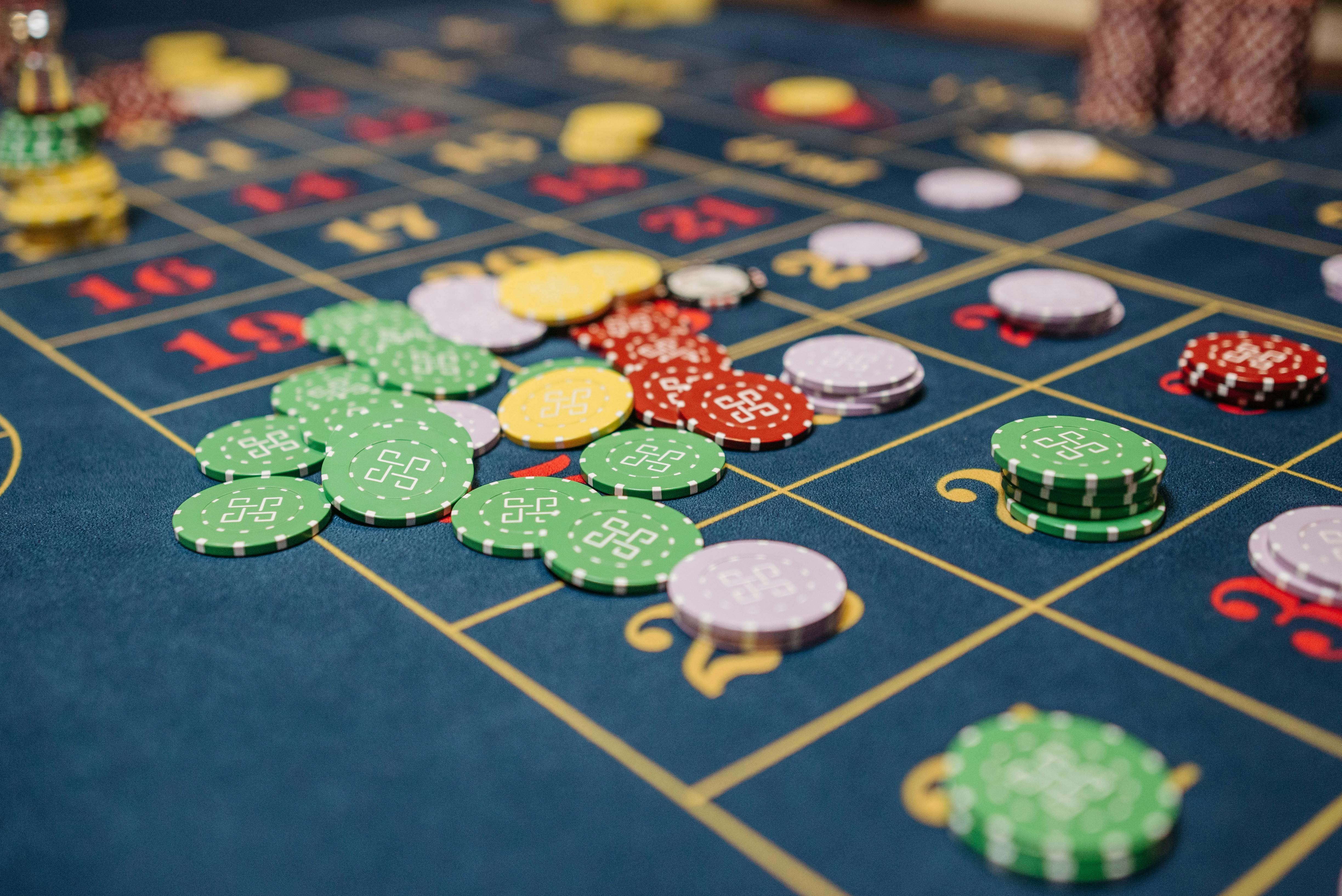
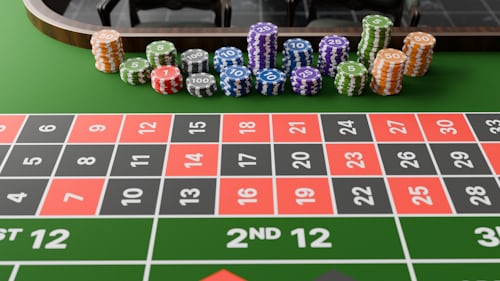
The atmosphere of a casino is meticulously designed to influence the choices of its patrons. From the vibrant colors on the slot machines to the enticing sounds of chimes and jingles, every aspect is engineered to create an engaging environment. This sensory overload can heighten excitement, leading players to make spontaneous decisions driven by emotion rather than rational thought, especially when exploring new casino sites uk.

Moreover, the layout of a casino is strategically crafted to guide patrons through a maze of gaming options, encouraging them to explore and take risks. This design plays a significant role in decision-making, often leading players to invest more time and money than initially planned, further amplifying the thrill of the experience.
The Impact of Social Influences
Decision-making in casinos is also heavily influenced by social factors. The presence of other players can create a sense of camaraderie or competition, which significantly affects an individual’s choices. When people observe others winning, they may feel compelled to join in, believing that luck is contagious. This social dynamic can lead to impulsive betting behaviors and a willingness to take larger risks than one might normally consider.
Moreover, social proof can manifest in various forms, such as players celebrating wins or engaging in lively discussions about strategies. These interactions can reinforce certain behaviors, making individuals more likely to follow suit and participate, even if it goes against their better judgment.
Cognitive Biases in Gambling Decisions
Cognitive biases play a critical role in the decision-making process within casinos. Players often fall prey to the illusion of control, believing they can influence outcomes in games of chance. This misconception can lead to increased betting and a false sense of security, as individuals may attribute their wins to skill rather than luck.
Additionally, the gambler’s fallacy—where players believe that past events will influence future outcomes—can also skew decision-making. For instance, if a player has experienced a series of losses, they might increase their bets under the assumption that a win is due. Understanding these cognitive biases is essential for both players and casino operators, as they can significantly impact gambling behavior.
The Role of Emotion in Gambling Choices
Emotions are a driving force behind decision-making in casino environments. Players often gamble to escape reality, seeking excitement or relief from stress. This emotional connection can lead to irrational choices, as individuals chase losses or continue to play in the hope of feeling a rush of joy from winning.
The interplay between emotions and gambling can create a cycle of behavior that is difficult to break. Casinos often capitalize on this by providing complimentary drinks or creating celebratory moments that amplify emotions, pushing players to make decisions based more on feeling than logic.

Fast Withdrawal Casino: Your Guide to Responsible Gaming
At Fast Withdrawal Casino, we emphasize the importance of informed decision-making within the gaming landscape. Our platform is designed to help players navigate the complexities of online casinos, ensuring a secure and responsible gambling experience. We focus on providing insights into the best UK online casinos that prioritize quick payouts and player safety.
Our mission is to empower players with the knowledge they need to make mindful decisions. By highlighting trusted operators and offering expert recommendations, we aim to create an environment where gaming can be both enjoyable and responsible. Visit us to explore your options and make informed choices in your online gaming journey.