
What every gambler should know about game fairness and odds
Understanding Game Fairness
Game fairness hinges on the concept of randomization, which ensures that outcomes in gambling games are not predetermined. This notion is vital for establishing trust between players and gaming operators. Many gamblers might assume that games are fair simply because they are available in reputable casinos, but it’s essential to dig deeper into how fairness is maintained.
Many licensed jurisdictions enforce strict regulations requiring gaming operators to utilize Random Number Generators (RNGs) in their games. These RNGs are tested and certified by independent organizations, ensuring the integrity of the games. Players can verify the legitimacy of a game by checking for certification seals and reading reviews, allowing them to enjoy a safer gambling experience. For more insights into gaming fairness, you can find additional information on this website.
The Importance of Odds
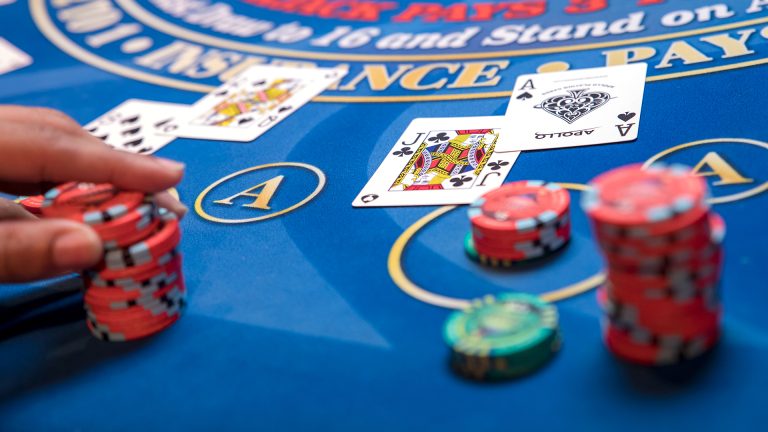
When gambling, understanding odds is crucial, as they indicate the likelihood of specific outcomes occurring. For instance, in a game of roulette, the odds can differ significantly between betting on a single number versus betting on colors. Knowing these differences helps players make informed decisions on how to manage their stakes.
Odds are typically expressed as ratios or percentages, which can sometimes be confusing to newcomers. Keeping track of the odds can assist in strategizing and estimating potential winnings. Additionally, different types of gambling, whether it be slots, tables, or sports betting, have their respective odds formula, and mastering them can significantly enhance a player’s experience and outcomes.
House Edge Explained
The house edge is an essential concept that every gambler should comprehend. It represents the percentage of each bet that the casino expects to keep over the long run. Understanding the house edge can help players gauge the fairness of various games while recognizing that some games may offer better odds than others.

Game Variations and Their Impact on Fairness
Each gambling game has its variations, often affecting both the fairness and the odds. For example, in poker, where players compete against each other rather than the house, the rules and variants (like Texas Hold’em versus Omaha) can lead to different strategies and outcomes. Recognizing these variations is crucial for anyone looking to excel in any game.
Similarly, in slot games, variations in payout structures (often called Return to Player or RTP rates) can significantly alter a player’s experience. A high RTP means a game is likely to pay out more over time, while low RTP games might offer bigger jackpots but less frequent wins. Understanding these nuances can better prepare gamblers to navigate the vast gaming landscape.
Further Learning Resources
Staying informed about gambling fairness and odds is key to making better decisions. Many resources are available, whether through online forums, educational sites, or blogs that focus on gambling strategies. Engaging with these resources can enhance your understanding of the complexities of gambling.
For comprehensive articles, guides, and discussions about various gaming topics, visiting websites dedicated to gambling education can prove beneficial. Whether you are a novice or a seasoned player, continuous learning about game fairness, odds, and strategies can greatly improve your gambling experience and outcomes.